
Disclosure: This post may contain affiliate links, meaning I get a commission if you decide to make a purchase through my links, at no extra cost for you
Do you love science and want to test your knowledge? Then this ultimate biology quiz is for you!
Biology is a branch of science that studies living organism. We all study it at school since it’s very important to have strong basis in this area to understand how we, humans, and all other living creatures live.
In this biology quiz with answers, you will find 5 rounds of questions about biology. This includes elements about the field in general but also organs, famous biologists and more.
I particularly recommend taking a pen and piece of paper so you can write down the answers.
So, are you ready to discover all our biology general knowledge questions and answers? Let’s get started.
Round 1: Easy Biology Trivia Questions

- Biology is the study of what?
- What is the largest organ in the human body?
- What is the only class of animals whose members are able to produce milk?
- Which biologist first put forward the theory of evolution?
- In what part of the cell would you find the DNA?
- During photosynthesis, plants turn water and [what] into CO2 and energy?
- What is the name of the powdery substance produced in a plant’s anther?
- A species with no living members has become [what]?
- The heart, veins and arteries are all part of which bodily system?
- Which French biologist developed the process of pasteurisation?
Round 1: Easy Biology Trivia Questions and Answers
- Biology is the study of what? Living things
- What is the largest organ in the human body? Skin
- What is the only class of animals whose members are able to produce milk? Mammals
- Which biologist first put forward the theory of evolution? Charles Darwin
- In what part of the cell would you find the DNA? Nucleus
- During photosynthesis, plants turn water and [what] into CO2 and energy? Sunlight
- What is the name of the powdery substance produced in a plant’s anther? Pollen
- A species with no living members has become [what]? Extinct
- The heart, veins and arteries are all part of which bodily system? The Circulatory or Cardiovascular system
- Which French biologist developed the process of pasteurisation? Louis Pasteur
Round 2: Biology Multiple Choice Questions

- Which one of these terms describes the lowest member of the food chain?
- Producer
- Digester
- Primary
- Herbivore
- Domain, Kingdom and Phylum are all examples of what?
- Class
- Classification level
- Taxonomic rank
- Biological classification
- Which scientist was the first to describe classical conditioning after experimenting on his dogs?
- Dmitri Mendeleev
- Ivan Pavlov
- Mikhail Lomonosov
- Ignaz Semmelweis
- Ornithology is the study of what?
- Fish
- Birds
- Reptiles
- Amphibians
- Why do most biologists argue that viruses are not living organisms?
- Because they are not sentient
- Because they do not need to feed to survive
- Because they do not excrete
- Because they cannot reproduce without a host
- Which of the following fish are poisonous?
- Surgeonfish
- Piranha
- Stonefish
- Grouper
- Karl Landsteiner was awarded the 1930 Nobel Prize in biology for which discovery?
- Blood groups
- Insulin
- Stem cells
- Homo Erectus
- What do eukaryotic organisms have that prokaryotic organisms lack?
- Skin
- A nucleus
- A cell wall
- Chloroplast
- What is the common name for the Notamacropus?
- Possum
- Skunk
- Bobcat
- Wallaby
- Which of the following diseases are caused by bacterial infection?
- Chickenpox
- Giardia
- Lyme Disease
- Cystic fibrosis
Round 2: Biology Multiple Choice Questions and Answers
- Which one of these terms describes the lowest member of the food chain? A. Producer
- Domain, Kingdom and Phylum are all examples of what? c.Taxonomic Rank
- Which scientist was the first to describe classical conditioning after experimenting on his dogs? B. Ivan Pavlov
- Ornithology is the study of what? B. Birds
- Why do most biologists argue that viruses are not living organisms? D. Because they cannot reproduce without a host
- Which of the following fish are poisonous? C. Stonefish
- Karl Landsteiner was awarded the 1930 Nobel Prize in biology for which discovery? A. Blood groups
- What do eukaryotic organisms have that prokaryotic organisms lack? b.A nucleus
- What is the common name for the Notamacropus? d. Wallaby
- Which of the following diseases are caused by bacterial infection? C. Lyme Disease
Round 3: Biology Quiz – True or False

- Humans have evolved to struggle to ignore a baby’s cry.
- Although often called ‘Killer Whales,’ Orcas are actually part of the dolphin party?
- Osmosis describes the process by which molecules move from an area of high concentration to low concentration through a semipermeable membrane.
- Most, but not all, bacteria are unicellular?
- Humans and armadillos are the only animals which can contract leprosy?
- Since some arachnids have been characterised as such because they have sensory appendages that look like legs, there are some arachnids with only six legs.
- Plants are genetically closer to animals than plants.
- Octopi are not actually fish, they are amphibians.
- All plants evolved from algae.
- Scientists now believe that they have identified just over half of all bacteria species.
Round 3: Biology Quiz Answers – True or False
- Humans have evolved to struggle to ignore a baby’s cry. True
- Although often called ‘Killer Whales,’ Orcas are actually part of the dolphin party? True
- Osmosis describes the process by which molecules move from an area of high concentration to low concentration through a semipermeable membrane. False, it’s low concentration to high concentration
- Most, but not all, bacteria are unicellular? False
- Humans and armadillos are the only animals which can contract leprosy? True
- Since some arachnids have been characterised as such because they have sensory appendages that look like legs, there are some arachnids with only six legs. False
- Plants are genetically closer to animals than plants. True
- Octopi are not actually fish, they are amphibians. False, they’re actually mollusks
- All plants evolved from algae. True
- Scientists now believe that they have identified just over half of all bacteria species. False
Round 4: Medium Biology Trivia Questions

- What pigment gives plants their green colour?
- Kelp, slime mould and sea lettuce belong to which kingdom?
- What does DNA stand for?
- Which American biologist has been called ‘the father of biodiversity’?
- Which region of the brain controls the body’s temperature regulation?
- The Marine Galapagos Lizard is the only type of lizard that can do what?
- Which two parts of the body produce enzyme amylase?
- In what century did Antonie van Leeuwenhoek first observe bacteria?
- At least how many growing seasons must a plant live for it to be considered perennial?
- With a name meaning ‘Handy Man,’ which species of early humans are thought to have been the first to make stone tools?
Round 4: Medium Biology Trivia Questions and Answers
- What pigment gives plants their green colour? Chlorophyll
- Kelp, slime mould and sea lettuce belong to which kingdom? Protists
- What does DNA stand for? Deoxyribonucleic acid
- Which American biologist has been called ‘the father of biodiversity’? E.O. Wilson
- Which region of the brain controls the body’s temperature regulation? The hypothalamus
- The Marine Galapagos Lizard is the only type of lizard that can do what? Swim
- Which two parts of the body produce enzyme amylase? The pancreas and the salivary glands
- In what century did Antonie van Leeuwenhoek first observe bacteria? 17th century
- At least how many growing seasons must a plant live for it to be considered perennial? Three
- With a name meaning ‘Handy Man,’ which species of early humans are thought to have been the first to make stone tools? Homo Habilis
Round 5: Hard Biology Trivia Questions
- What are the three domains of life?
- Who won the Nobel Prize in Biology in 2022 for discoveries concerning the genomes of extinct hominins and early human evolution?
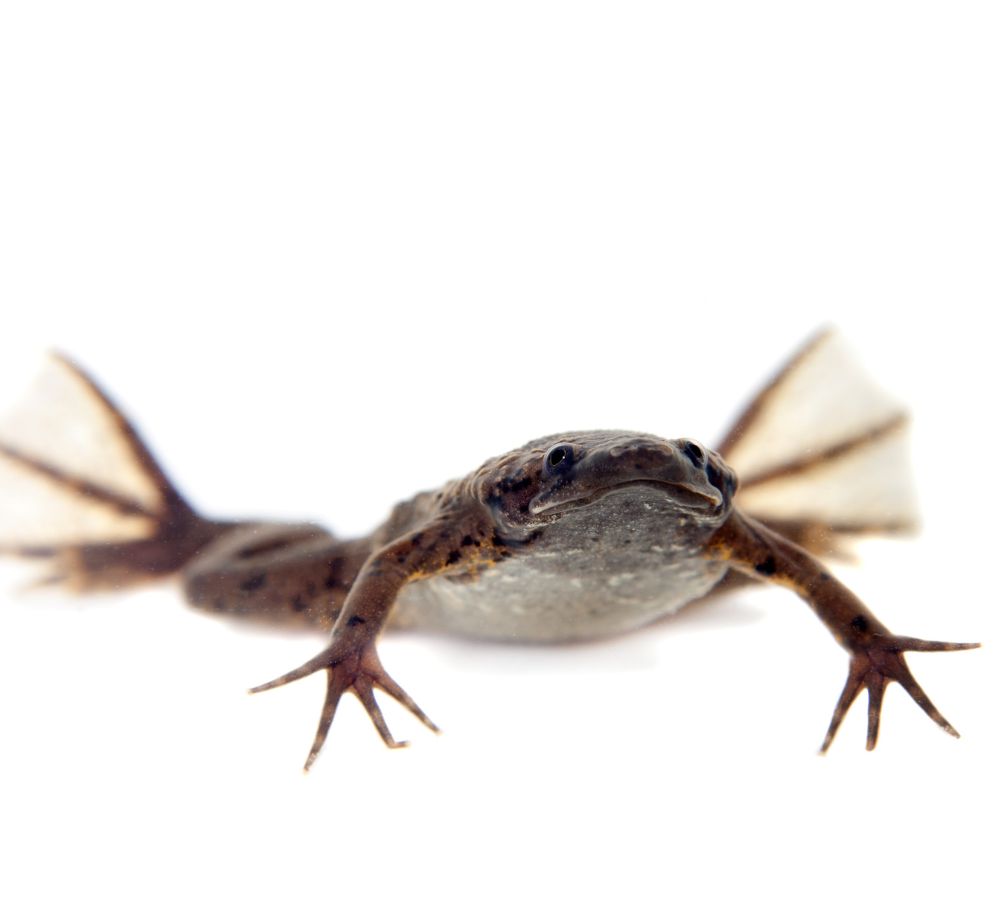
- Which toad gives birth to its young through a cluster of tiny holes in its back?
- The word ‘Taxonomy’ derives from the ancient Greek word for what?
- Dolly the Sheep was cloned from what kind of cell?
- In what decade did biologists discover that stem cells could be harvested from mouse embryos?
- What types of pathogens are Neutrophils able to kill and digest?
- Jellyfish are classified under which phylum?
- Kale, broccoli and cabbage all originate from what wild plant?
- In 1974, a team of scientists discovered the remains of a previously unknown kind of early hominin and named her Lucy. As what do we now know this species?
Round 5: Hard Biology Trivia Questions and Answers
- What are the three domains of life? Archaea, Bacteria and Eukarya
- Who won the Nobel Prize in Biology in 2022 for discoveries concerning the genomes of extinct hominins and early human evolution? Svante Pääb
- Which toad gives birth to its young through a cluster of tiny holes in its back? The Surinam Toad
- The word ‘Taxonomy’ derives from the ancient Greek word for what? Distribution/Arrangement
- Dolly the Sheep was cloned from what kind of cell? Mammary cell
- In what decade did biologists discover that stem cells could be harvested from mouse embryos? 1980s
- What types of pathogens are Neutrophils able to kill and digest? Bacteria and fungus
- Jellyfish are classified under which phylum? Cnidaria
- Kale, broccoli and cabbage all originate from what wild plant? Wild Mustard
- In 1974, a team of scientists discovered the remains of a previously unknown kind of early hominin and named her Lucy. As what do we now know this species? Australopithecus Afarensis

So, How many points did you score in this Biology Quiz with answers?
Let us know your score 🙂
You may also be interested in:
